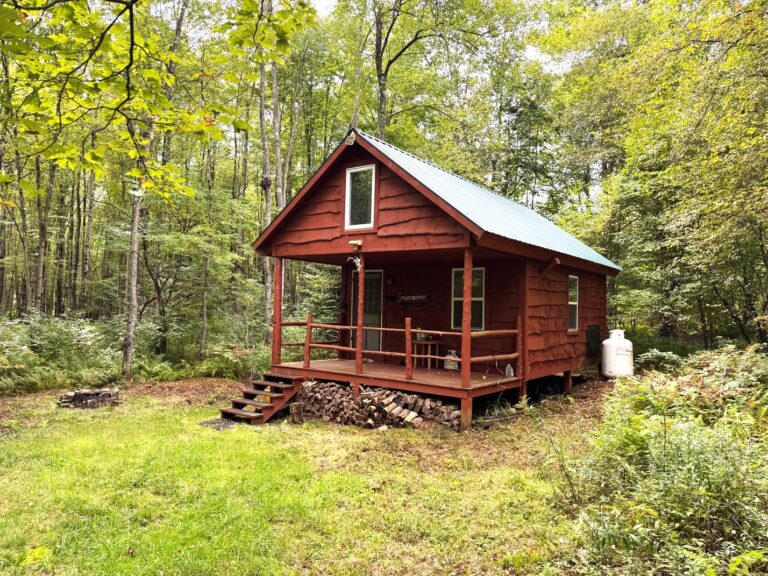
There is a distinct chill in the autumn air across Upstate New York that signals one thing to outdoorsmen and women: hunting season is approaching. For many, the ultimate dream is rolling out of bed, pouring a cup of coffee, and walking straight out the back door of their own private cabin into prime whitetail territory.
If you are looking to buy hunting land in New York, you are investing in more than just dirt and trees; you are investing in a legacy, a weekend retreat, and a personal wildlife haven. However, purchasing recreational land is fundamentally different from buying a residential suburban home. It requires a specific set of criteria, a deep understanding of the local environment, and a willingness to put “boots on the ground.”
Before you sign on the dotted line for your own slice of the Empire State, here are the five essential things you need to look for when evaluating hunting properties.
Ready to skip the reading and start walking the woods? Our agents live outdoors and sell outdoors. Contact NY Outdoor Realty today or browse our current Hunting Land listings to find your perfect property.
1. Property Access and the Power of Borders
When you look at a piece of land on a map, the acreage tells only a fraction of the story. One of the most critical factors to evaluate is how you actually access the property and, just as importantly, who your neighbors are.
Legal and Physical Access A heavily wooded, remote parcel might look like a hunter’s paradise, but if it is landlocked, it can quickly become a legal nightmare. You must verify that the property has deeded legal access. Is there road frontage? If the property sits off the main road, is there a clearly defined and legally recorded right-of-way or easement through a neighboring parcel?
Furthermore, consider the type of access. A seasonal, unmaintained dirt road might be perfectly fine for an ATV or a lifted truck in October, but it could be completely impassable after a heavy December snowfall. If you plan to use the property year-round or eventually build a four-season country home, year-round access maintained by the town or county is highly desirable.
The State Land Multiplier One of the best-kept secrets of buying recreational property in New York is finding parcels that are Bordering State Land. New York is home to millions of acres of public state forests, wildlife management areas, and the massive Adirondack Park.
If you purchase a modest 20-acre parcel that shares a property line with 1,000 acres of state land, you effectively have a 1,020-acre backyard. This “multiplier effect” gives you a private basecamp to set up your cabin, park your vehicles, and manage your immediate habitat, while offering vast, expansive territories to track deer, turkey, and bear without the premium price tag of buying a massive private tract.
2. Terrain, Topography, and Wildlife Habitat
To hold wildlife, land needs to provide three fundamental necessities: food, water, and shelter (bedding areas). When evaluating a property, you have to look at it through the eyes of the game you intend to hunt.
Food Sources and Transitions Deer are edge creatures. They thrive in transitional zones where dense forest meets open fields or brush. A property comprised entirely of mature, open-canopy hardwoods might look beautiful, but it often lacks the ground-level browse necessary to sustain a robust deer herd. Look for properties with diverse habitats. Parcels that feature a mix of hardwood ridges (dropping acorns and beechnuts), thick evergreen swamps, and open meadows or old farmland are prime real estate. You also want to look for potential locations to plant food plots to attract and hold deer during the late season.
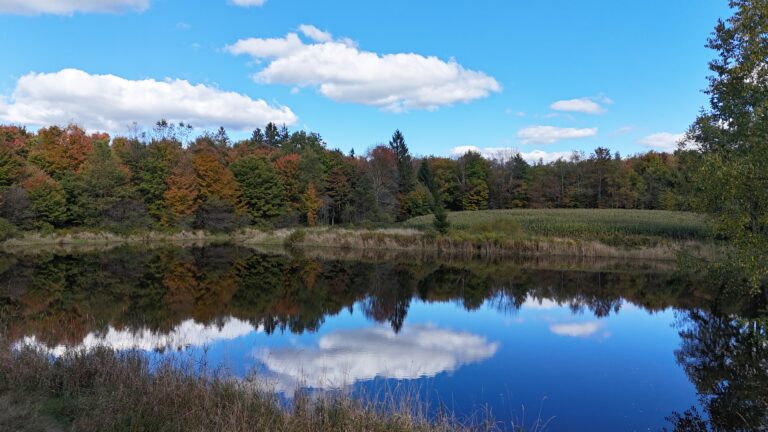
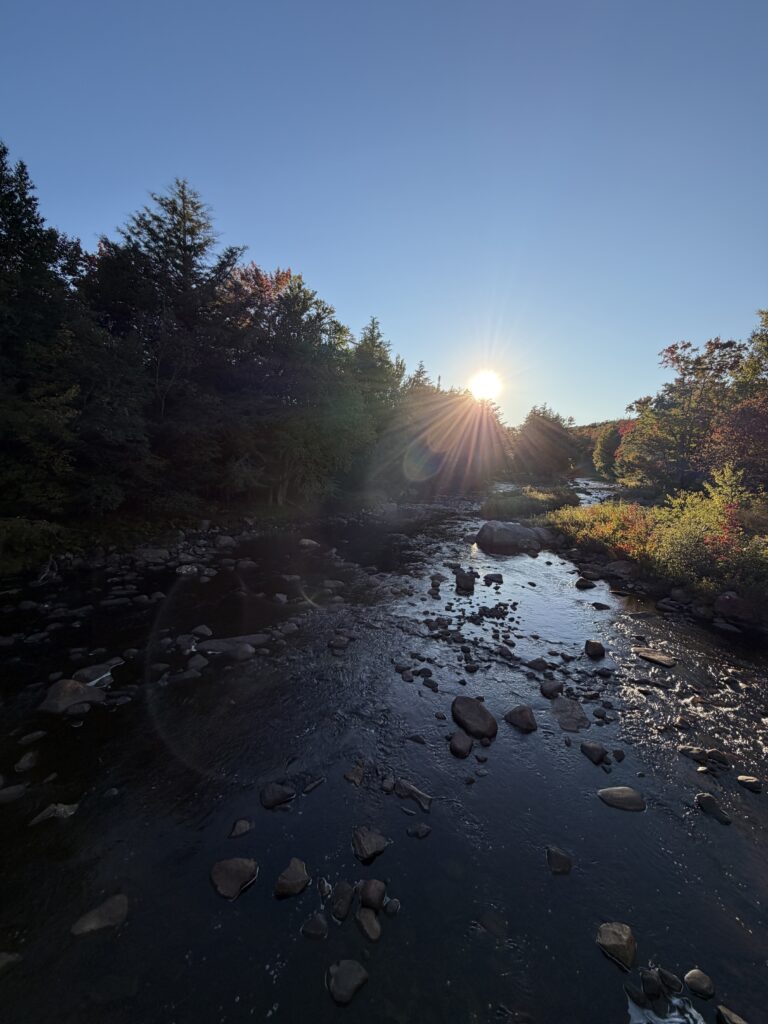
Water and Bedding Is there a year-round water source on the property? A meandering creek, a small pond, or even a swampy wetland can be a magnet for wildlife. Additionally, look for thick, nearly impenetrable cover. Deer need secure, thick bedding areas to feel safe from predators (and hunters). If a property has a dense cedar swamp or an area that was logged 5 to 10 years ago (which usually results in thick secondary growth), it is highly likely to hold deer year-round.
Reading the Sign This is where working with an experienced NY Outdoor Realty agent becomes invaluable. You can only learn so much from satellite imagery. You need an agent who is willing to put on their boots, walk the property lines, find the deer trails, identify the buck rubs, and locate the natural funnels and pinch points created by the topography.
3. Utilities, Infrastructure, and Off-Grid Potential
Are you looking for raw land to pitch a tent, or do you want a turnkey land and cabin setup? Your infrastructure needs will heavily dictate which properties are viable for you.
To Build or Not to Build If you are buying raw land with the intention of building a hunting camp, you need to assess the feasibility of utilities. How far away is the nearest power pole? Running electricity down a long private driveway can cost tens of thousands of dollars. If power is not readily available, is the property situated well for an off-grid solar setup?
Water and Septic For a functioning cabin, you will need water and waste management. Does the soil perk for a standard septic system, or will you need to rely on an outhouse or a more expensive engineered septic system? Is there a well on site, or is the water table conducive to drilling one? Many rustic hunting camps in New York operate perfectly fine on rainwater catchment systems, generators, and outhouses, but it is vital to know what you are getting into before you buy.
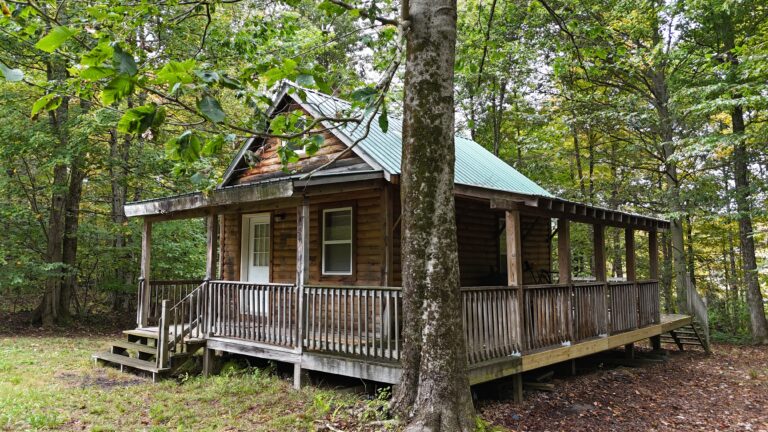
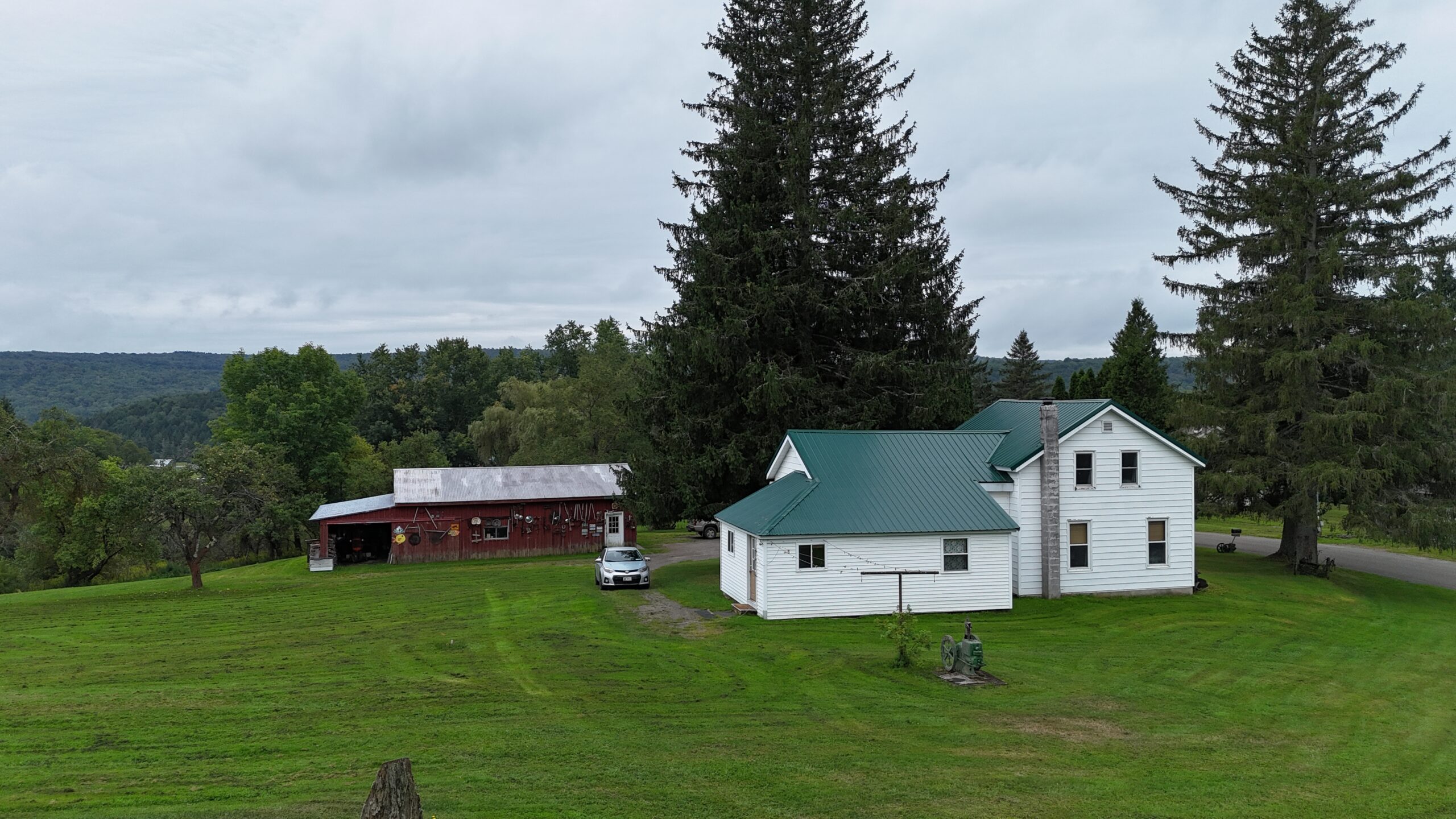
Existing Structures If a property already has a cabin, trailer, or shed, inspect it carefully. A rustic camp adds immense value by providing immediate shelter, but you need to ensure it is structurally sound. Check the roof for leaks, inspect the foundation (even if it’s just block piers), and ensure any existing wood stoves are properly installed and vented to avoid fire hazards.
4. Zoning, Regulations, and Future Development
The legal landscape of land ownership can be complex, and assuming you can do whatever you want on your property simply because you own it is a dangerous trap.
Local Zoning and APA Regulations Always check the local zoning ordinances. Are there minimum acreage requirements for building a structure? Are there restrictions on parking RVs or travel trailers on vacant land? If you are looking at recreational land within the Adirondack Park, you must navigate the Adirondack Park Agency (APA) regulations. The APA has strict guidelines on where and what you can build, setback requirements from water bodies, and restrictions on clearing timber.
Wetlands and Floodplains New York State takes the protection of its wetlands very seriously. The Department of Environmental Conservation (DEC) and the federal government map designated wetlands. If a significant portion of your target property is designated as a protected wetland, your ability to build, dig a pond, or even put in a driveway may be severely restricted or require extensive permitting.
Property Taxes and Forestry Programs Land taxes in New York can vary wildly by county and town. When calculating your budget, factor in the annual carrying costs of the property. It is also worth asking your land broker about tax incentive programs. For example, New York offers the 480a Forest Tax Law program, which can significantly reduce property taxes for landowners willing to commit 50 or more contiguous acres to a managed forestry plan.
5. Work with a Specialized Land Broker
Perhaps the most crucial step when you want to buy hunting land in New York is choosing the right professional to guide you. A real estate agent who spends 90% of their time selling residential subdivisions in the suburbs simply will not have the expertise required to evaluate a remote 100-acre timber tract.
You need a broker who understands timber value, soil types, wildlife management, and the specific legalities of rural land transactions. At NY Outdoor Realty, we pride ourselves on our motto: We live outdoors, we sell outdoors.
When you work with experts like Kirk Goodrow, Ethan Reynolds,Jeffrey Abulencia and the rest of our team, you are getting partners who know what lies at the back of the property, where the game trails intersect, and exactly where a future driveway or food plot would best fit. We utilize authentic pictures, carry the necessary topographical maps, and take the time to walk the acreage with you so you fully understand the investment you are making.
Final Thoughts: Making the Dream a Reality
Buying hunting land is a massive milestone. It is the creation of a sanctuary where you can escape the noise of modern life, teach the next generation about conservation, and enjoy the thrill of the hunt on your own terms. By carefully evaluating access, habitat, infrastructure, and zoning—and by teaming up with the right professionals—you can ensure your investment yields lifelong memories.
Let your next journey start with NY Outdoor Realty. Whether you are looking for a sprawling timber tract, a cozy waterfront cabin, or raw acreage to build your legacy, our team is here to help. Browse our newest properties here or call us directly at 315.854.3144 to get started today!